



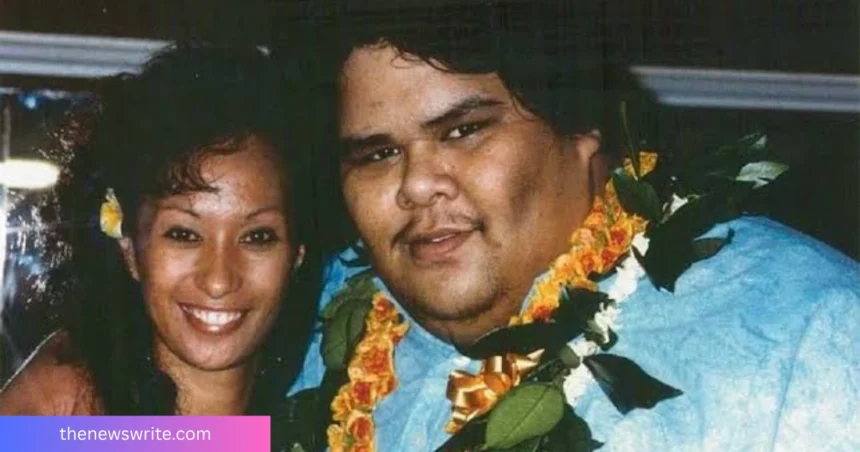
Marlene Kamakawiwoʻole is a name closely tied to one of Hawaii’s most treasured musical icons, Israel “Bruddah IZ” Kamakawiwoʻole. While her husband’s velvety voice and ukulele rendition of “Somewhere Over the Rainbow” made him a global sensation, Marlene remained the steady, private presence behind his rise to fame. Her story is one of devotion, resilience, and quiet strength. This article explores Marlene Kamakawiwoʻole’s early life, her relationship with Israel, motherhood, and how she carries forward her late husband’s legacy today. For fans curious about the woman behind the legend, her journey offers a heartfelt look at love, sacrifice, and Hawaiian family values.
Who Is Marlene Kamakawiwoʻole?
Marlene Kamakawiwoʻole, born Marlene Ah Lo, is widely recognized as the wife of the late Hawaiian singer-songwriter Israel Kamakawiwoʻole. Unlike her husband, Marlene never pursued a public entertainment career, choosing instead to support her family from behind the scenes. She grew up in Honolulu, Hawaii, sharing the same cultural roots and community ties as Israel. Though she is not a celebrity by profession, her name has become permanently linked to Hawaiian music history because of her marriage. Today, many fans of Israel’s music search for details about Marlene Kamakawiwoʻole simply because she represents the personal side of a man whose voice became a worldwide symbol of Hawaiian culture.
Early Life and Family Background
According to widely reported accounts, Marlene Kamakawiwoʻole was born in 1962 in Honolulu, making her a few years younger than Israel. Details about her parents, siblings, and extended family remain largely private, reflecting her lifelong preference for a low-profile lifestyle. Growing up in a tight-knit Hawaiian community, Marlene was reportedly involved in hula dancing during her youth, a cultural practice deeply embedded in Native Hawaiian identity. This early connection to traditional arts mirrored the same cultural pride that would later define Israel’s music career. Her upbringing in Honolulu placed her within the same social circles as Israel, setting the stage for a relationship that would eventually blossom into marriage.
How Marlene Met Israel Kamakawiwoʻole
Marlene and Israel’s love story reportedly began when they were still children in the neighborhoods of Honolulu. Various accounts describe Israel confidently telling a young Marlene that he intended to marry her one day, a bold declaration she initially brushed off as youthful teasing. Over time, their friendship deepened into a genuine romantic connection built on shared culture, humor, and mutual respect. Their bond grew stronger as Israel began pursuing music seriously, and Marlene became one of his most consistent sources of encouragement. This childhood connection, rooted in familiarity rather than fame, is often cited as one of the reasons their relationship endured through the pressures of Israel’s later stardom.
The Wedding Day: September 18, 1982
Marlene and Israel Kamakawiwoʻole were married on September 18, 1982, at Ka Makua Mau Loa Church in Kalihi, Hawaii. Marlene was reportedly around 20 years old at the time of the ceremony. Though the couple initially planned an intimate gathering, reports suggest the wedding grew far larger than expected, with hundreds of guests attending to celebrate the union. Friends and extended family reportedly rallied around the couple, with Marlene’s parents said to have gone to great lengths to help fund the celebration. The wedding marked the beginning of a marriage that would last for the rest of Israel’s life, grounding him personally even as his musical career expanded beyond Hawaii’s shores.
Becoming a Mother: The Birth of Their Daughter
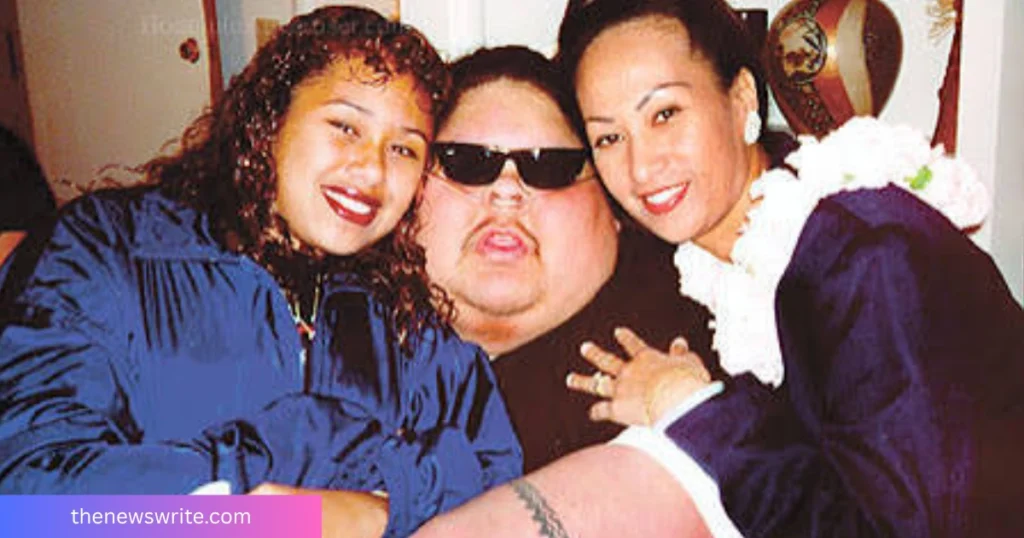
In 1983, roughly a year after their wedding, Marlene and Israel welcomed their only child, a daughter often referred to as Ceslie-Ann “Wehi” Kamakawiwoʻole. Motherhood became a defining chapter in Marlene’s life, as she took on the primary responsibility of raising their daughter while Israel focused increasingly on his music. This division of family responsibilities allowed Israel the stability to pursue recording opportunities, tour engagements, and creative projects. Marlene’s role as a devoted mother is frequently highlighted in accounts of the family’s life, illustrating how her steady presence at home gave Israel the emotional grounding he needed to thrive professionally during a demanding and often turbulent career.
Supporting Israel Through His Rise to Fame
As Israel Kamakawiwoʻole’s popularity grew, particularly following the success of his album Facing Future, Marlene’s role as a supportive spouse became increasingly important. Fame brought new pressures, financial demands, and public scrutiny, and Marlene reportedly worked to maintain a sense of normalcy at home. Behind Israel’s soaring commercial success was a private family life that required patience and understanding, especially as health challenges began affecting him. Marlene’s dedication during this period is often described as unwavering, even during moments when she may have felt her contributions went unnoticed by the public. Her steady support allowed Israel to continue creating music that would eventually reach audiences far beyond Hawaii.
The Recording of “Somewhere Over the Rainbow”
One of the most significant moments in Israel’s career came in 1988, when he recorded a medley combining “Somewhere Over the Rainbow” with “What a Wonderful World.” This iconic recording, completed in a single take, later appeared on his albums Ka ʻAnoʻi and Facing Future. While the song did not achieve immediate widespread recognition, it eventually became a global phenomenon, featured in films, television shows, and commercials worldwide. Marlene, as his wife during this period, witnessed firsthand the humble circumstances surrounding the song’s creation, long before anyone anticipated its eventual worldwide impact. This recording remains central to Israel’s legacy and, by extension, to the story of the family who supported him.
Marlene’s Professional Life
Contrary to assumptions that she lived solely in her husband’s shadow, Marlene Kamakawiwoʻole reportedly maintained her own professional responsibilities. Various reports indicate she worked in a healthcare setting, specifically within the cardiology department at Kaiser Permanente’s Moanalua Medical Center in Hawaii. This work gave her financial independence and a sense of purpose outside her role as a wife and mother. Balancing a demanding job with raising a young daughter and supporting a husband whose career required significant time and attention speaks to Marlene’s resilience. Her professional commitments highlight an often-overlooked dimension of her life, one that existed apart from her identity as the wife of a famous musician.
The Devastating Loss: Israel’s Death in 1997
Tragedy struck the family when Israel Kamakawiwoʻole passed away on June 26, 1997, at the age of 38. His death was reportedly linked to respiratory failure connected to long-standing health complications related to his weight. Marlene became a widow at approximately 33 years old, left to navigate profound grief while continuing to raise their teenage daughter. Israel’s funeral drew widespread public mourning across Hawaii, reflecting how deeply his music had touched the islands and beyond. For Marlene, the loss was deeply personal, marking the end of a marriage that had spanned nearly fifteen years and had weathered both public attention and private hardship together.
Life After Israel’s Passing
Following her husband’s death, Marlene Kamakawiwoʻole reportedly chose to step away from public life almost entirely. Rather than capitalizing on her connection to Israel’s growing posthumous fame, she prioritized privacy and family stability. She focused her energy on raising their daughter, Wehi, through the difficult teenage years without a father present. This decision reflects a broader pattern in Marlene’s life: valuing her family’s wellbeing over public recognition or financial opportunities tied to Israel’s legacy. Her withdrawal from the spotlight also meant that detailed, verified information about her life after 1997 became increasingly scarce, fueling ongoing public curiosity about her whereabouts and current circumstances.
Marlene’s Role as a Grandmother
As the years passed, Marlene’s daughter Wehi reportedly grew up, married, and had children of her own. Marlene is said to have embraced her role as a grandmother wholeheartedly, reportedly even legally adopting two of her grandchildren to help provide them with a stable home environment. This multigenerational family arrangement reflects strong Hawaiian values around ʻohana, or extended family, where grandparents often play central caregiving roles. Though none of her grandchildren ever met Israel personally, reports suggest they have grown up surrounded by his music, learning to play the ukulele and appreciating Hawaiian traditions passed down through their grandmother’s storytelling and guidance.
Where Does Marlene Kamakawiwoʻole Live Today?
Public records and various reports suggest that Marlene Kamakawiwoʻole currently resides in Pearl City, Hawaii, not far from where she and Israel built their life together. She has reportedly maintained a quiet, family-centered lifestyle, avoiding media appearances and public events tied to Israel’s legacy. Occasional social media posts from family members have confirmed she remains active in her grandchildren’s lives, dispelling rumors about her wellbeing. Her preference for privacy has meant that concrete, verified details about her daily life remain limited, though this aligns with the same low-profile approach she maintained even during Israel’s years of peak stardom.
Keeping Israel’s Legacy Alive Through Family
Even decades after Israel’s passing, Marlene Kamakawiwoʻole reportedly plays an important role in preserving his musical and cultural legacy within their family. By encouraging her grandchildren to learn Hawaiian music traditions and play instruments like the ukulele, she ensures that Israel’s influence continues into future generations. This quiet form of legacy-keeping contrasts with more commercial approaches to celebrity remembrance, focusing instead on personal, familial connection rather than public spectacle. For Marlene, honoring Israel’s memory appears to be less about public tributes and more about instilling the values, culture, and musical passion he embodied into the children and grandchildren who carry his name forward.
Public Curiosity and Media Interest
Despite her intentional distance from the public eye, interest in Marlene Kamakawiwoʻole has persisted, particularly among fans of Israel’s music who discover her story while researching his biography. Numerous articles and online searches attempt to answer common questions about her age, current whereabouts, and life since Israel’s death. This ongoing curiosity reflects the enduring popularity of Israel’s music, particularly his rendition of “Somewhere Over the Rainbow,” which continues to introduce new generations of listeners to his story. Marlene’s association with this beloved song ensures that her name remains searchable and relevant, even though she herself has never sought public attention or celebrity status.
Hawaiian Cultural Values Reflected in Marlene’s Story
Marlene’s life story reflects broader Hawaiian cultural values, particularly the importance of ʻohana, humility, and quiet strength. Rather than seeking recognition tied to her husband’s fame, she reportedly prioritized family stability, caregiving, and community connection throughout her life. This approach mirrors traditional Native Hawaiian values that emphasize collective family wellbeing over individual recognition. Her willingness to step back from public life after Israel’s death, focus on raising their daughter, and later care for her grandchildren illustrates a life guided by service rather than self-promotion. In this sense, Marlene’s story offers insight into the cultural framework that shaped both her life and Israel’s artistic identity.
Lessons From Marlene Kamakawiwoʻole’s Life
Marlene Kamakawiwoʻole’s journey offers valuable lessons about resilience, privacy, and the strength required to support a partner through both fame and hardship. Her willingness to maintain professional independence, raise her family through grief, and later embrace grandparenthood demonstrates adaptability across life’s changing chapters. Unlike public figures who capitalize on tragedy or fame, Marlene’s choice to remain private suggests a deep commitment to authenticity and family over public image. For those interested in the personal stories behind beloved musicians, Marlene’s life serves as a reminder that lasting legacies are often shaped as much by quiet support at home as by public performance and recognition.
Conclusion
Marlene Kamakawiwoʻole’s story is far more than a footnote in the biography of a famous musician. As the wife of Israel “Bruddah IZ” Kamakawiwoʻole, she played an essential, if largely private, role in supporting one of Hawaii’s most celebrated cultural icons. From their childhood connection and 1982 wedding to motherhood, professional work, and eventual widowhood, Marlene’s life reflects resilience, devotion, and a deep respect for family and Hawaiian tradition. Today, as a grandmother living quietly in Pearl City, she continues to keep Israel’s musical legacy alive within their family. Her story reminds us that behind many legendary voices are steady, often unseen partners who help make greatness possible.
Frequently Asked Questions (FAQs)
1. Who is Marlene Kamakawiwoʻole? Marlene Kamakawiwoʻole, born Marlene Ah Lo in 1962, is best known as the wife of legendary Hawaiian singer Israel “Bruddah IZ” Kamakawiwoʻole.
2. When did Marlene and Israel Kamakawiwoʻole get married? They married on September 18, 1982, at Ka Makua Mau Loa Church in Kalihi, Hawaii.
3. Do Marlene and Israel Kamakawiwoʻole have children? Yes, the couple had one daughter, Ceslie-Ann “Wehi” Kamakawiwoʻole, born in 1983.
4. How did Israel Kamakawiwoʻole die? Israel passed away on June 26, 1997, at age 38, reportedly due to respiratory failure linked to health complications.
5. Where does Marlene Kamakawiwoʻole live now? Reports suggest she currently resides in Pearl City, Hawaii, where she helps raise her grandchildren.
6. Did Marlene Kamakawiwoʻole remarry after Israel’s death? No, available reports indicate Marlene did not remarry and chose to focus on family life instead.
7. What was Marlene Kamakawiwoʻole’s profession? She reportedly worked in the cardiology department at Kaiser Permanente’s Moanalua Medical Center in Hawaii.